By Al-Amin Isa
Empires rarely announce retreat. They adapt.
When military bases close, when flags are lowered, when soldiers depart under the language of “strategic realignment,” it is tempting to assume influence has ended. History suggests otherwise. Power that fails to dominate through force often survives by learning how to persuade, embed, and endure.
The end of overt military presence is not the end of interest. It is the beginning of a quieter phase.
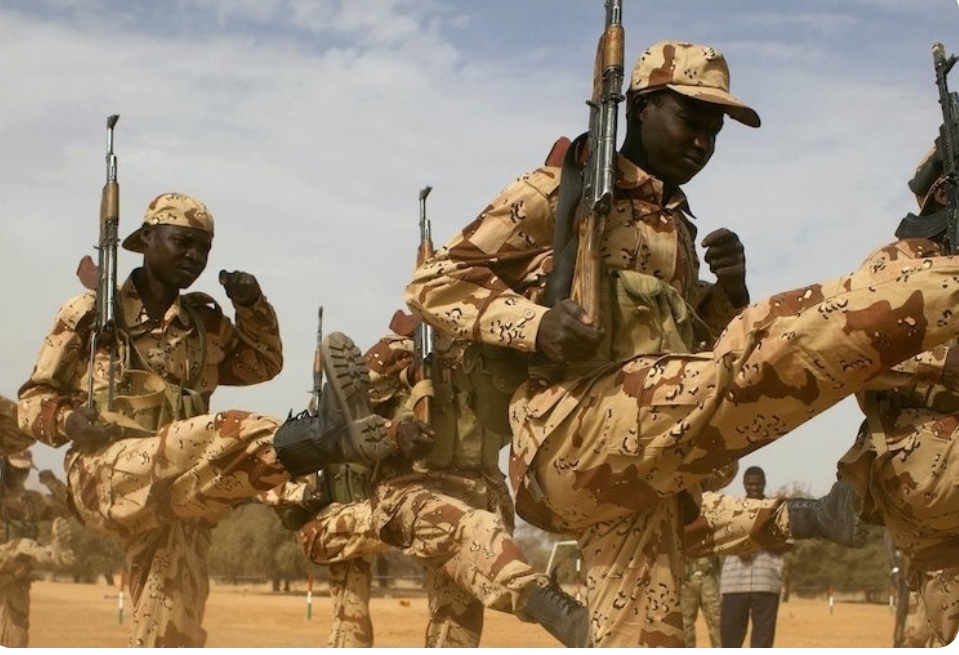
Across the Sahel, a pattern has emerged. French troops have been expelled or sidelined. Security agreements have collapsed. Governments once described as partners have redefined their alliances. To many observers, this looks like defeat. To serious students of power, it looks like transition.
Influence, once exercised through armored vehicles and airbases, is being reconstituted through different instruments. Development funding expands where troops withdraw. Civil society initiatives gain urgency where security partnerships falter. Legal frameworks, media ecosystems, and governance reforms take on strategic significance. What could no longer be enforced is now negotiated, normalized, and narrated.
This is not uniquely French. It is not uniquely Western. It is a feature of modern geopolitics.
In a world where occupation is costly and legitimacy fragile, power increasingly prefers proximity to presence, persuasion to coercion, and institutions to battalions. Aid becomes access. Partnership becomes leverage. Capacity-building becomes alignment. The vocabulary softens, but the interests remain intact.
Nigeria now sits at the center of this recalibration.
As military doors close across the Sahel, diplomatic and developmental attention is concentrating elsewhere. Not because Nigeria is weak, but because it is consequential. It is large enough to matter, stable enough to host influence, and central enough to shape outcomes beyond its borders. In such contexts, aid is never just aid. It is a language. It carries assumptions, priorities, and expectations.
The critical question is not whether foreign assistance is good or bad. That is a false binary. The real question is whether Nigeria understands the moment it is in. Whether it can distinguish support from substitution, partnership from dependency, and engagement from quiet constraint.
Because when army boots leave and aid arrives, the form of influence changes, but the stakes do not.